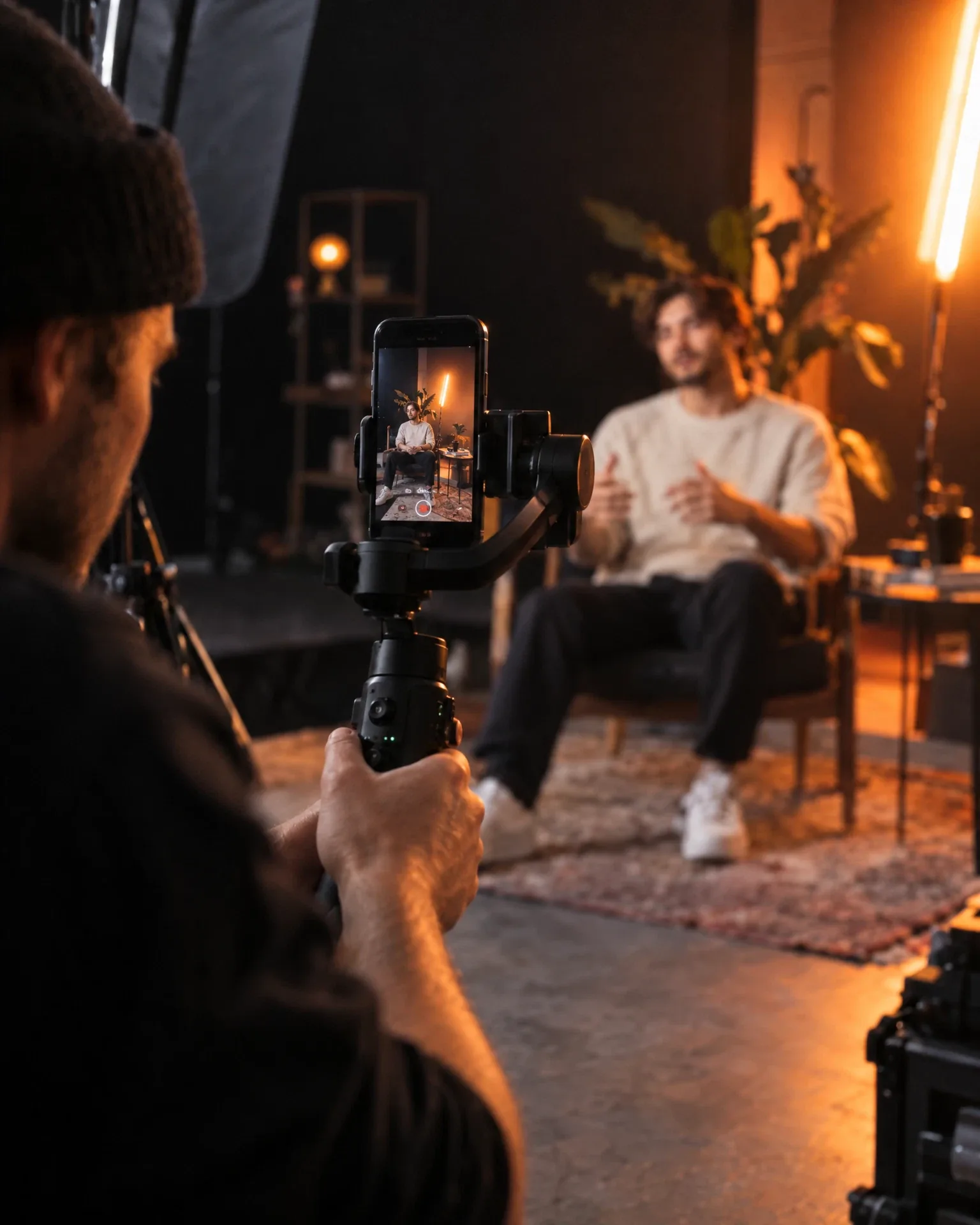
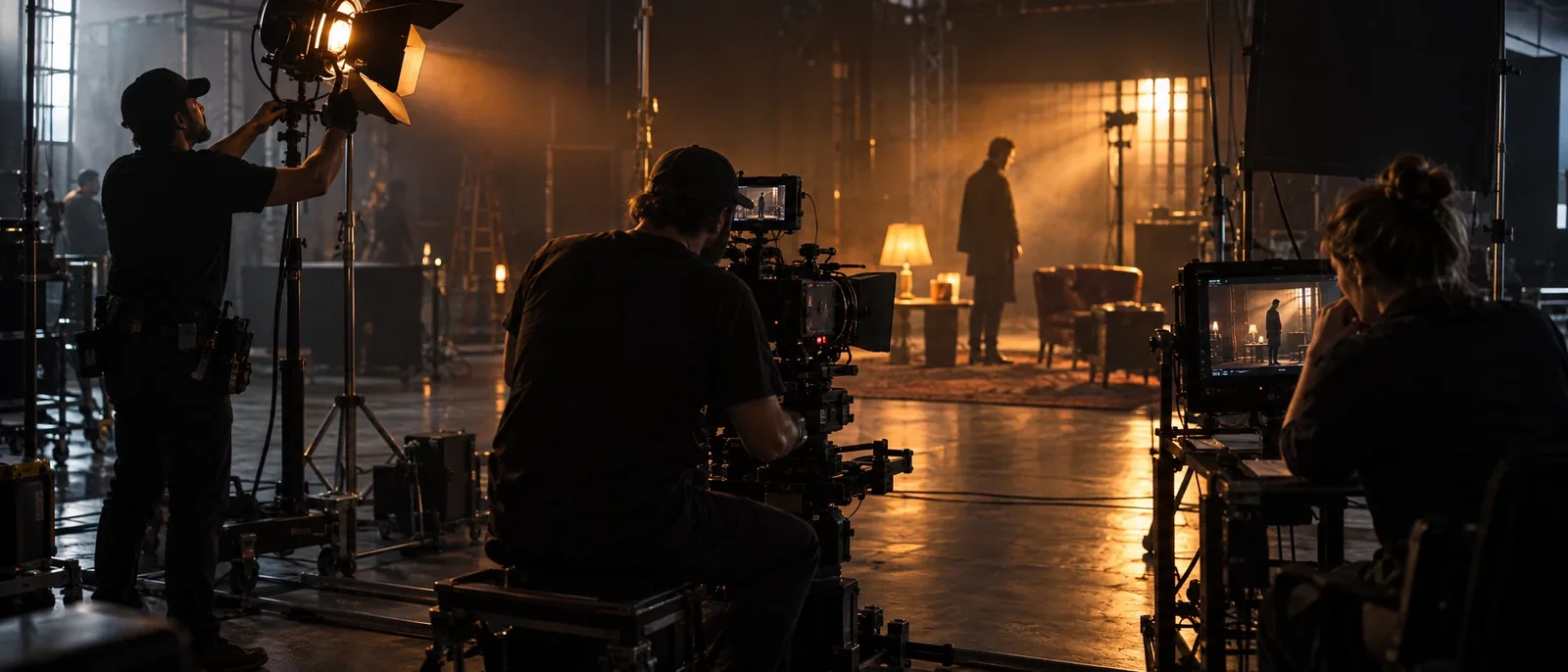
A decision made on paper costs nothing. The same decision made on set costs a few hundred. Made in the edit, it costs thousands and a week. This is the entire argument for a proper brief, and it is why we write one before we quote.
The six questions we always ask
- What should the viewer do after watching? If there is no action, there is no film. There is a decoration.
- Who exactly is the viewer? Not a demographic. A person, in a situation, with a problem.
- What have they already seen? This tells us what to avoid more reliably than it tells us what to copy.
- What is the one claim we can prove? Proof is what separates an advertisement from an assertion.
- Where will this run, in what lengths, in what order? Television, pre-roll and Reels need different opening frames.
- What is already true about the brand: the founder, the factory, the number, the ingredient? This is usually where the best idea is hiding.
"The consumer isn't a moron; she is your wife. You insult her intelligence if you assume that a mere slogan and a few vapid adjectives will persuade her to buy anything."
What to send with it
Send references you genuinely like, and be specific about what you like about them. A mood board of ten unrelated images teaches us nothing. A single frame with the sentence “this is the level of light I want on the product” teaches us everything.
Send your constraints too: the date you must publish, the talent you already have, the thing that cannot appear on screen. Constraints make ideas sharper, not smaller. Most of the films we are proudest of were shaped by a rule we could not break.
What the reply should look like
A serious production company replies with a one-page interpretation before it replies with a price. That page should restate your argument in our words, name the risk we see, and describe the shots that carry the idea. If the first reply is a rate card with no interpretation, you have been sent a menu, not a partner.
1 page
Length of the interpretation we send first
30 min
Time the kick-off call actually takes
2 rounds
Revisions included, once the brief is right
Written by the producers at KLUB STUDIO. If this raised a question about your own project, ask it.
Ask us a question